
Reverse Affordability Calculator
Unsure if you can afford your dream home? Simply provide us with the price of your property and we will calculate what it takes for you to afford it. Together, we can make owning your next property a reality.
Related reading
Articles to help you go deeper
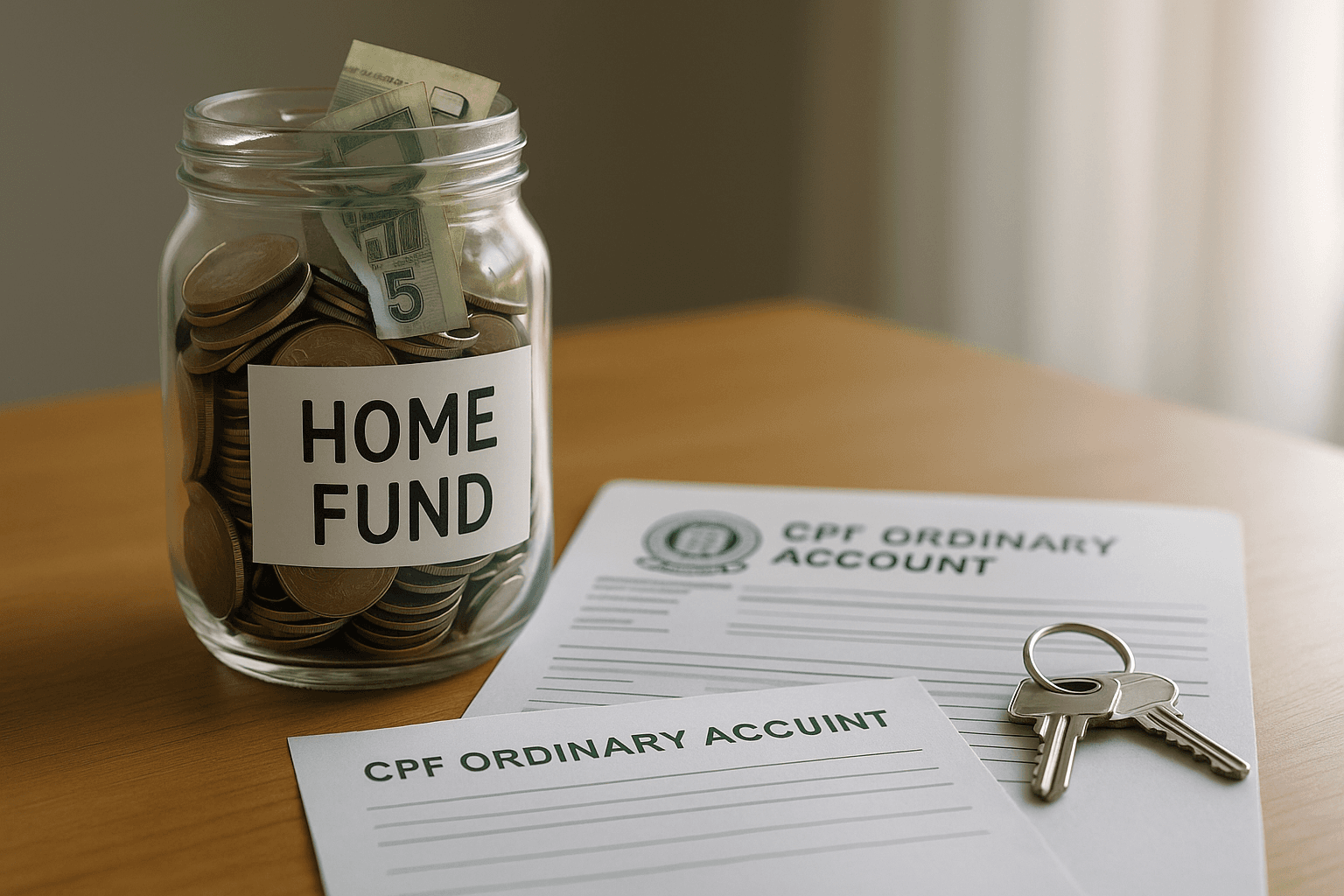
Saving for Your Downpayment: Using CPF and Cash to Buy a Home
The downpayment is often the biggest hurdle for homebuyers in Singapore. This article explains how much you need for a downpayment and smart ways to save for it. We’ll cover the roles of cash vs. CPF savings, strategies to build your downpayment fund faster, and tips on tapping CPF housing grants – all to help you clear the downpayment hurdle and get the keys to your new home.
 Sarah Chen·29 May 2025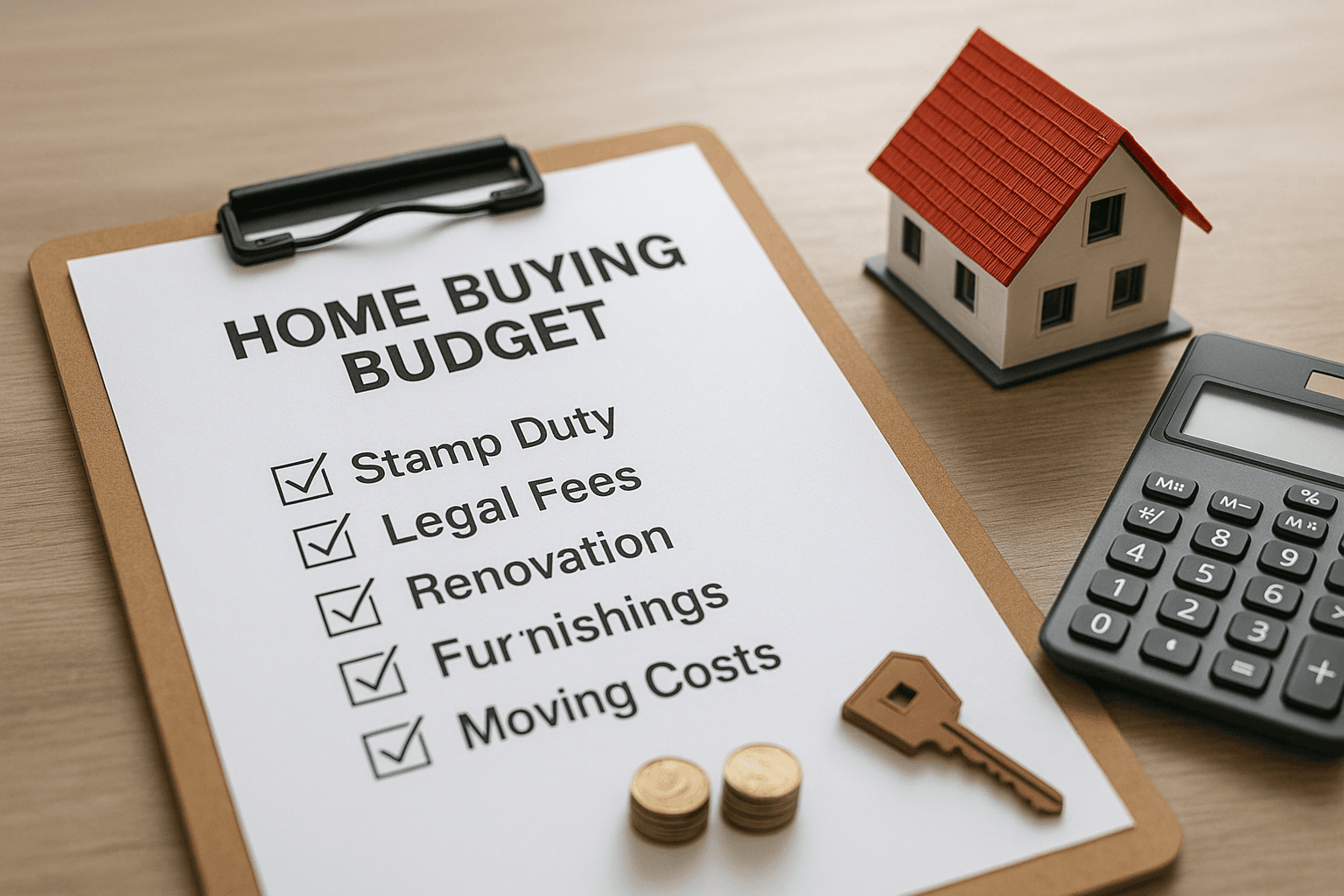
Beyond the Downpayment: Planning for the Hidden Costs of Home Buying
It’s easy to spend all your energy saving for a downpayment, but the costs of buying a home don’t end there. In this article, we shine a light on the “hidden” costs of purchasing a property in Singapore – from stamp duties and legal fees to renovations and maintenance. By planning for these expenses upfront, you’ll ensure your home purchase remains financially comfortable and free of unwelcome surprises.
Sarah Chen·29 May 2025
Debt-free BTO or keep investing: how to think through the trade-off
When collecting BTO keys, the choice between paying off your mortgage entirely and keeping capital invested depends on your liquidity buffer, the return differential between your mortgage rate and expected investment returns, and how much financial flexibility you need for upcoming commitments. Carrying a low-rate mortgage while investing in equities has a strong expected-value case, but sequence risk, CPF OA guaranteed returns, and personal risk tolerance all affect the right balance. There is no universal answer, but stress-testing both scenarios with your actual numbers before committing is essential.
Sarah Chen·11 May 2026Good to know
Understanding affordability
The reverse affordability calculator starts from the property price you want and works backwards to the income and savings you need to buy it, flagging any shortfall in cash, CPF or income. Instead of asking what you can afford, it tells you exactly what it would take to afford a specific home.
What this calculator does
Most buyers already have a home or a price in mind. This calculator turns that target into a plan. You enter the property price you are aiming for, and it calculates the gross monthly income a bank will expect, the downpayment you must have ready, and how that downpayment splits between cash and CPF. Crucially, when you add your current income and savings, it shows the gap, telling you how much more income, cash or CPF you need before the purchase is within reach.
It answers the planning question directly: what would I need to earn and save to buy this home?
How it works
The calculation reverses the usual affordability maths across three connected steps.
First, it sizes the loan against the price. With a Loan-to-Value (LTV) limit of up to 75% on a first housing loan, the maximum loan is 75% of the price (or value, if lower), leaving at least 25% as downpayment, of which at least 5% must be in cash for private property.
Second, it derives the income required to service that loan. Banks assess affordability at a stress-test rate of 4% per annum (or the prevailing rate if higher) and cap total monthly debt at 55% of gross income under the Total Debt Servicing Ratio (TDSR). For HDB flats and Executive Condominiums, the stricter 30% Mortgage Servicing Ratio (MSR) also applies. The calculator takes the higher hurdle and divides the stress-tested repayment by it to find the income needed.
Third, it works out the savings required, splitting the downpayment plus Buyer's Stamp Duty and legal fees into the cash and CPF you must have on hand.
A worked example
Say you are eyeing a private condo at S$1.5 million. At a 75% LTV, the maximum loan is S$1,125,000, so you need S$375,000 in downpayment (at least 5%, or S$75,000, in cash). At the 4% stress rate over 30 years, that loan implies a monthly repayment of about S$5,370, which under the 55% TDSR limit calls for a gross income of roughly S$9,760 per month with no other debts. Add Buyer's Stamp Duty of about S$44,600. If you currently earn S$8,000 and have S$300,000 saved, the calculator flags an income shortfall of about S$1,760 a month, plus a savings gap to cover the downpayment and stamp duty, so you know exactly what to close before you buy.
Who should use it
Aspiring buyers with a specific home or price in mind use it to map a realistic path to qualifying. Couples use it to see how combining incomes and savings closes the gap. Parents helping children buy use it to size the support needed. It is equally useful for setting a savings and income goal months or years ahead of a planned purchase.
Why planning backwards helps
Working from the goal rather than the present makes the path concrete. Rather than a vague sense that a home is "a stretch", you get specific targets: the income to reach, the cash to save, the CPF to build. That lets you decide whether to wait, earn more, add a co-borrower, or adjust the target price, well before you commit an option fee.
Frequently asked questions
How much income do I need to buy a condo in Singapore?
It depends on the price. For a S$1.5 million condo with a 30-year loan, you would need roughly S$9,800 gross per month with no other debts, based on the 55% TDSR limit and the 4% stress rate. The calculator gives a figure for your exact target.
How much income do I need to buy an HDB flat?
For HDB flats and ECs, the stricter 30% MSR usually sets the bar, so the income required is calculated against that limit as well as TDSR, whichever is higher.
What savings do I need for the downpayment?
At least 25% of the price for a first private loan, with a minimum 5% in cash and the rest payable from CPF, plus cash or CPF for Buyer's Stamp Duty and legal fees.
What if I have an income or savings shortfall?
The calculator quantifies the gap so you can act on it: add a co-borrower, reduce existing debt, save more, or target a lower price.
Does a longer loan tenure lower the income I need?
Yes, a longer tenure reduces the monthly repayment and the income required, but tenure is capped (typically 30 years for private property, 25 for HDB) and longer loans cost more interest overall.
This guide is for general information and does not constitute financial advice. Lending criteria vary by bank and individual circumstances.